


The evolution of flight, from the earliest concepts of human aviation to the modern-day global phenomenon of flight simulators, is a fascinating journey that intertwines innovation, creativity, and technological advancement. Among the many flight simulation games that have emerged over the years, “Flight Legends” stands out as a significant player in the genre, capturing the imaginations of aviation enthusiasts and gamers alike. This report delves into the history of flight simulation, the development of “Flight Legends,” and its impact on the gaming industry and aviation culture.
Early Concepts of Flight
The dream of human flight has existed for centuries, with early inventors like Leonardo da Vinci conceptualizing flying machines in the late 15th century. However, it wasn’t until the late 19th and early 20th centuries that serious experimentation began. Pioneers such as the Wright brothers made significant advancements with their powered flight in 1903, leading to the birth of aviation as we know it. The fascination with flight inspired a multitude of inventions and concepts, laying the groundwork for future developments in both real-world aviation and flight simulation.
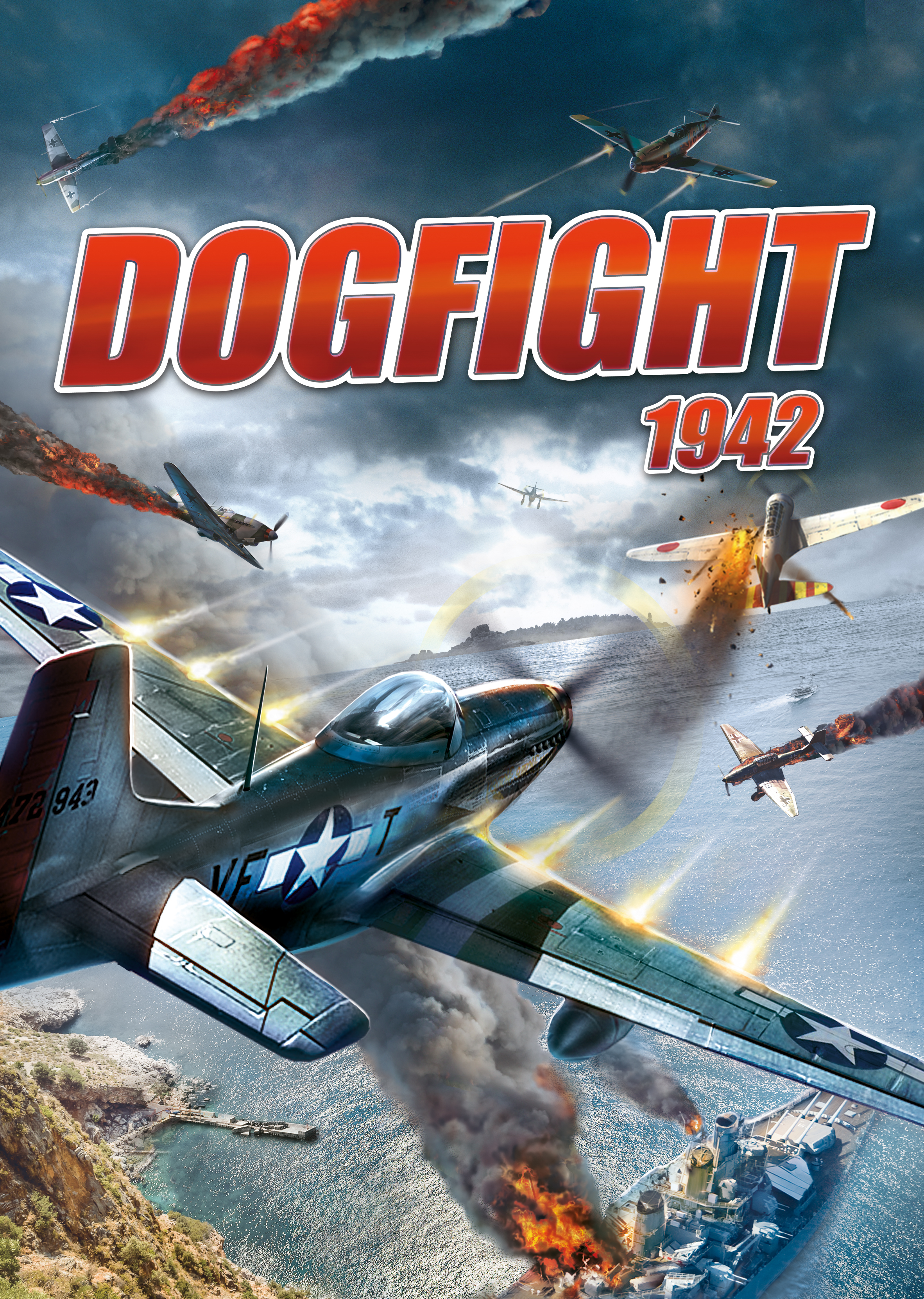
The Birth of Flight Simulation
As aviation technology advanced, the need for training pilots became paramount. The first flight simulators emerged in the 1920s, primarily for military training purposes. These early simulators used mechanical systems to mimic the experience of flying, allowing pilots to practice maneuvers and emergency procedures without leaving the ground. The technology evolved over the decades, with the introduction of electronic systems in the 1960s and 70s, which provided more realistic simulations.
The commercial flight simulation market took off in the late 1970s and early 1980s with the advent of personal computers. Software like “Flight Simulator” by Microsoft, released in 1982, revolutionized the genre, offering consumers a chance to experience flying from the comfort of their homes. This marked the beginning of a new era in flight simulation, where enthusiasts could explore the skies virtually and develop their piloting skills.
The Concept of Flight Legends
“Flight Legends” was conceptualized in the early 2010s by a team of aviation enthusiasts and game developers who recognized the growing demand for realistic flight simulation experiences. The goal was to create a game that not only provided an authentic flying experience but also celebrated the rich history of aviation. The developers aimed to incorporate a wide range of aircraft, from historical planes to modern jets, allowing players to experience the evolution of flight firsthand.
The development process involved extensive research, including consultations with aviation experts and pilots. The team meticulously designed each aircraft, ensuring accurate representations of their specifications, flight dynamics, and cockpit layouts. Additionally, the game featured realistic weather conditions, air traffic control systems, and global landscapes, enhancing the immersive experience for players.
Launch and Reception
“Flight Legends” was officially launched in 2015 and quickly gained attention for its attention to detail and realism. The game was praised for its stunning graphics, accurate flight physics, and comprehensive tutorials that catered to both novice and experienced pilots. The developers also implemented a community-driven approach, allowing players to share their custom aircraft and flight scenarios, fostering a vibrant online community.
The initial reception was overwhelmingly positive, with many players lauding the game’s educational value. Flight schools began incorporating “Flight Legends” into their training programs, recognizing its potential as a supplementary tool for aspiring pilots. The game’s emphasis on historical aircraft also attracted aviation enthusiasts, who appreciated the opportunity to fly iconic planes that had shaped the history of aviation.
Expansion and Updates
Following its successful launch, the developers of “Flight Legends” committed to regular updates and expansions. New aircraft, missions, and environments were continuously added, keeping the game fresh and engaging for players. The introduction of multiplayer features allowed users to connect and fly together, further enhancing the social aspect of the game.
The developers also collaborated with aviation museums and organizations, incorporating real-world events and aircraft into the game. This partnership not only provided players with unique content but also helped raise awareness about the importance of preserving aviation history.
Cultural Impact and Legacy
“Flight Legends” has had a significant impact on both the gaming industry and aviation culture. It has inspired a new generation of aviation enthusiasts, many of whom have pursued careers in aviation as a result of their experiences in the game. The realistic simulation has also contributed to a greater understanding of aviation principles among gamers, fostering an appreciation for the complexities of flight.
The game’s success has influenced other developers in the flight simulation genre, encouraging them to prioritize realism and historical accuracy in their own projects. As a result, the market has seen a resurgence of interest in flight simulation games, with new titles emerging that aim to capture the same spirit as “Flight Legends.”
Conclusion
The journey of “Flight Legends” from concept to global hit is a testament to the power of innovation and passion in the gaming industry. By blending the rich history of aviation with cutting-edge technology, the developers created a game that resonates with players of all ages. As flight simulation continues to evolve, “Flight Legends” remains a shining example of how video games can educate, inspire, and entertain, solidifying its place in the annals of both gaming and aviation history.